Common Fence Installation Mistakes Homeowners Should Avoid in Brookfield, WI
Learn how Brookfield homeowners can avoid costly fence installation mistakes involving property lines, materials, drainage, post placement, and local requirements.
Installing a new fence can improve privacy, define property boundaries, create a safer space for pets, and enhance the appearance of your home. However, a fence that looks good on installation day may develop problems if important details are overlooked during planning or construction.
For homeowners in Brookfield, Wisconsin, a successful fence project involves more than choosing an attractive design. Property boundaries, local regulations, soil conditions, drainage, material selection, and seasonal weather all influence how well a fence performs over time.
Understanding common installation mistakes before work begins can help you avoid unnecessary expenses, prevent future repairs, and get better long-term value from your investment.
1. Guessing Where Your Property Line Is
One of the most serious fence installation mistakes is placing a fence without confirming the property boundaries. A fence that appears to follow the edge of your yard may unintentionally extend onto a neighboring property or into a restricted area.
This can create disagreements with neighbors and may require sections of the fence to be moved or removed. Even a small placement error can become expensive once posts are set and panels are installed.
Before construction, review your property survey and identify the intended fence location. If the boundary is unclear, consider obtaining professional surveying assistance rather than relying on an existing fence, landscaping, or visual estimates.
It is also important to distinguish between your property line and nearby sidewalks, curbs, easements, or other public areas. These features do not necessarily indicate the legal boundary.
Confirming the location in advance gives you a more reliable foundation for planning the rest of the project.
2. Ignoring Local Fence Regulations
Choosing a fence before checking local requirements can lead to unexpected delays, design changes, or additional expenses.
Fence rules may address height, materials, setbacks, visibility near streets, and placement within easements. Requirements can also differ between municipalities, even when properties are located in the same general area.
The City of Brookfield's fence guidance states that a permit is generally required, except for certain decorative fences that are more than 50% open and less than four feet high. The city also identifies restrictions on privacy fencing and other fence types.
Before purchasing materials, confirm which rules apply to your property and proposed design. Do not assume that a fence permitted on a neighboring property will automatically be permitted on yours.
You can review the City of Brookfield's official fence fact sheet and contact the Inspection Services Department if you need clarification.
Checking requirements early can prevent you from investing in a design that needs to be changed before installation is approved.
3. Choosing Materials Based Only on Price
Budget matters, but selecting the cheapest available fencing material without considering its long-term needs can become an expensive decision.
Different materials have different maintenance requirements, appearances, and performance characteristics. A fence that fits your initial budget may require more frequent repairs or upkeep than you expected.
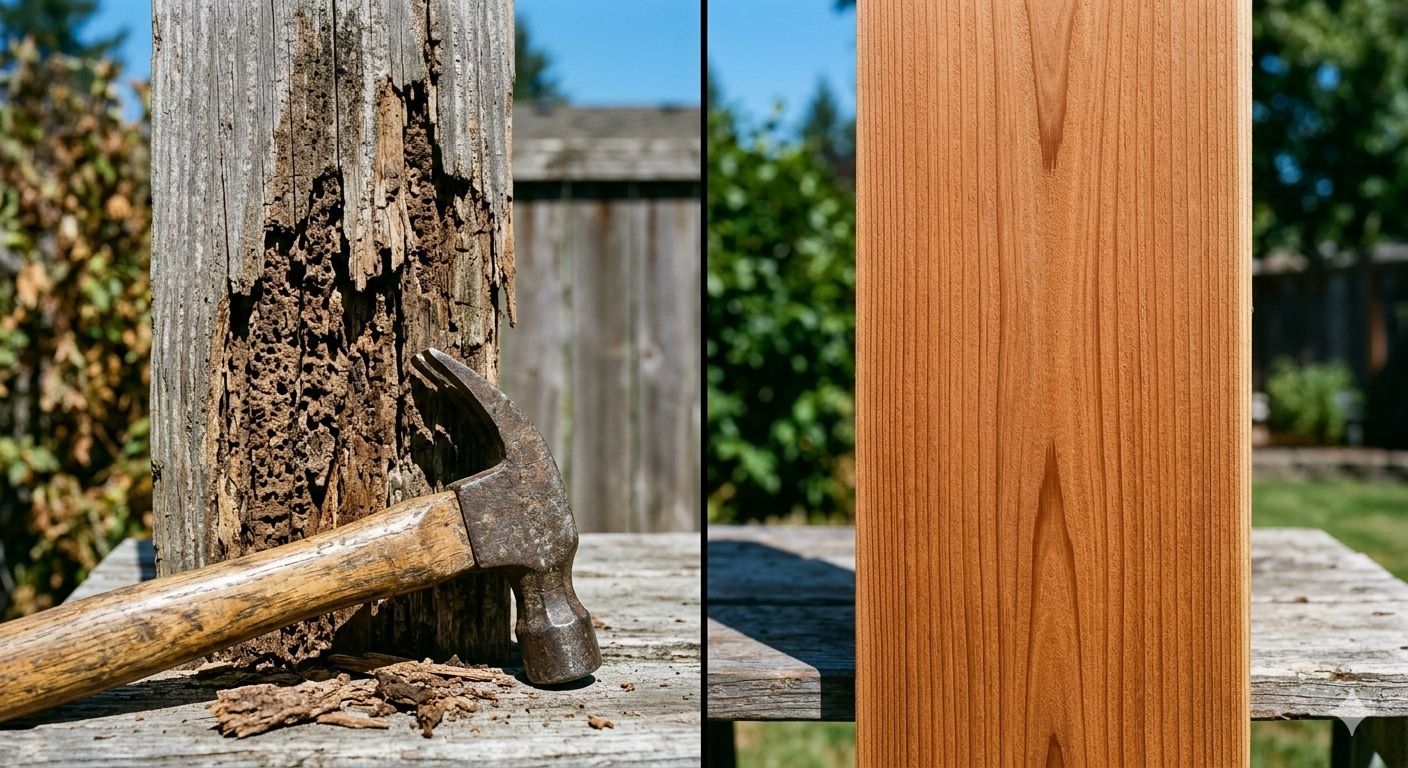
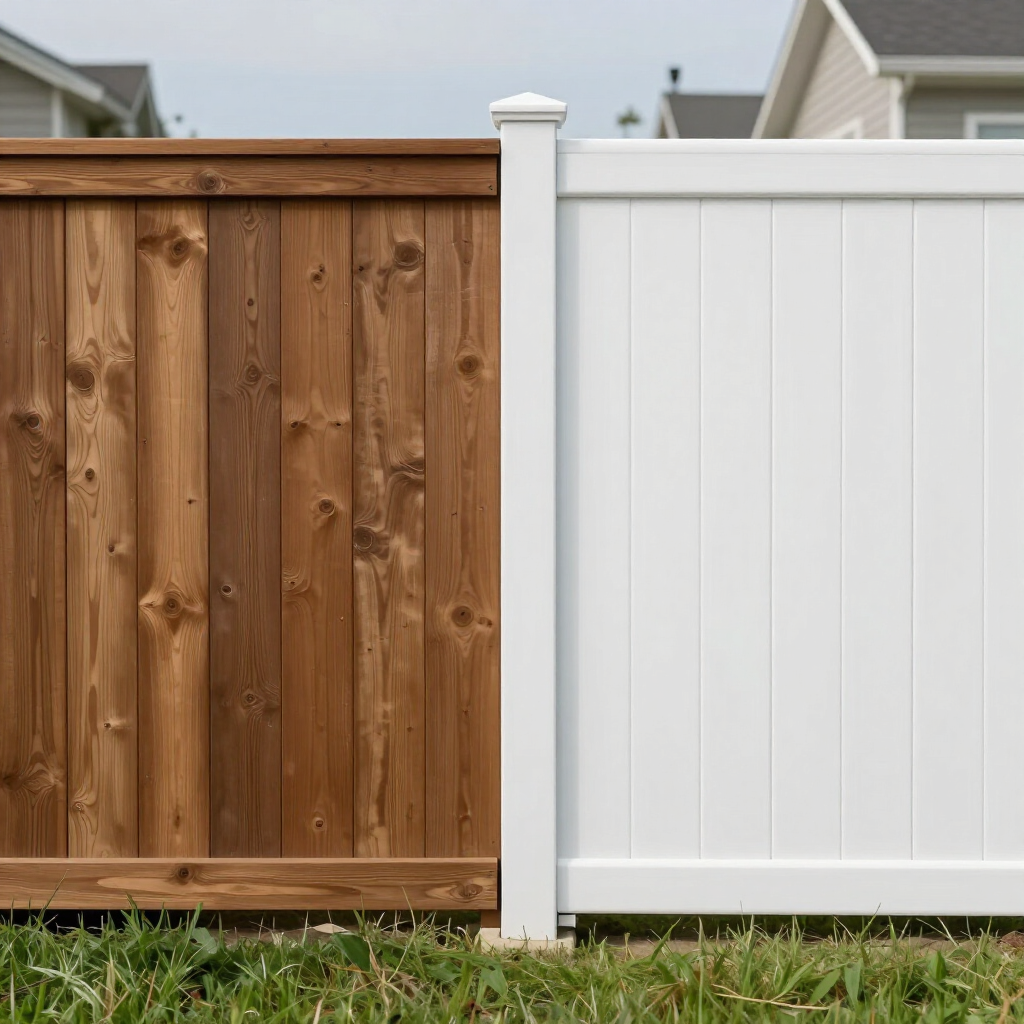
Wood fencing offers flexibility in design and can suit a variety of home styles. However, it needs periodic inspection and maintenance to address weathering, moisture exposure, and deteriorating boards.
Vinyl fencing provides a consistent appearance and does not require routine staining or painting. Its panels and connections still need proper support and occasional inspection.
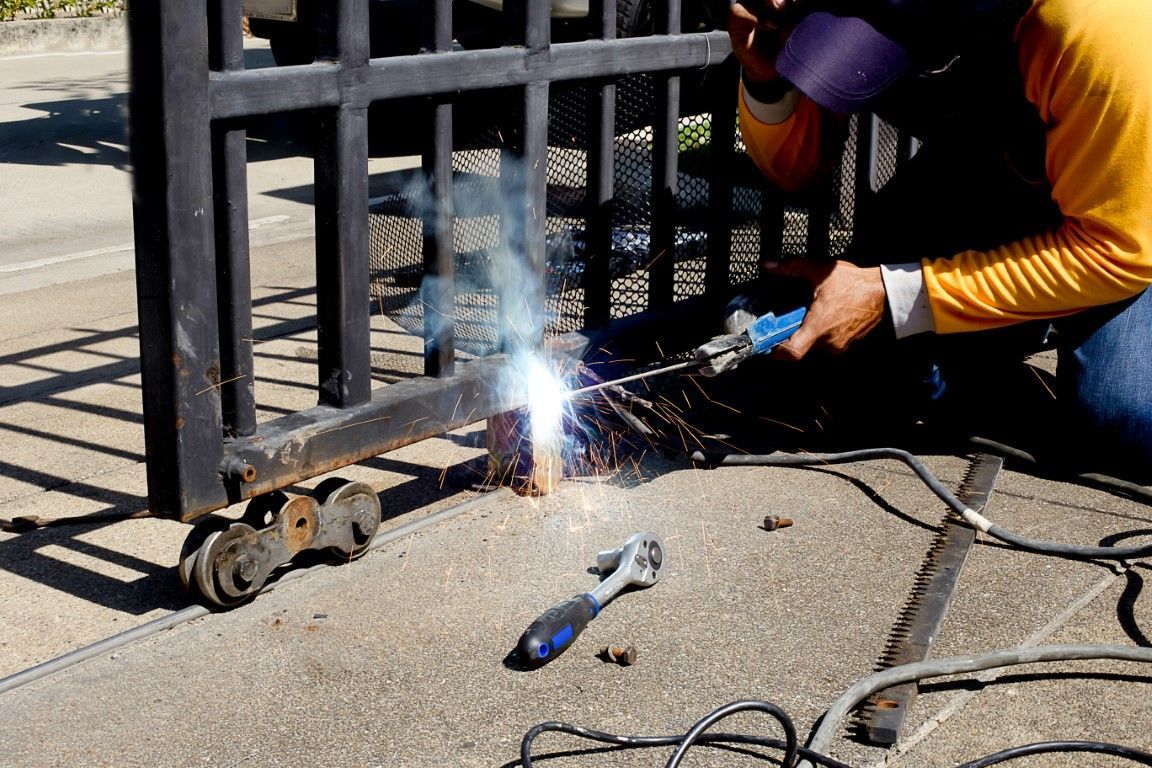
Metal fencing can provide a durable, open design, depending on the material and finish. It should be checked for loose connections, damage, and corrosion where applicable.
When comparing options, consider the purchase price, installation, maintenance, expected service life, and appearance. The best choice is one that meets your needs without creating an ongoing maintenance burden you did not anticipate.
4. Installing Posts Without Considering Soil Conditions
Fence posts support the entire structure. If they are not installed appropriately for the fence design and site conditions, panels may shift, lean, or become misaligned.
A common mistake is assuming that every part of a property has the same soil and drainage conditions. In reality, soil composition, moisture, slopes, and previous landscaping work can affect how well posts remain stable.
Before installation, evaluate the ground along the planned fence line. Areas with loose soil, recurring water accumulation, or significant changes in elevation may require additional planning.
Post depth, spacing, footing dimensions, and installation methods should be appropriate for the fence material, height, soil conditions, and manufacturer's recommendations.
Wisconsin's freeze-thaw cycles also make proper installation important. Seasonal ground movement can contribute to changes in alignment, particularly when posts are not adequately supported.
Taking the time to plan post placement and support can help reduce the risk of leaning sections and costly corrections later.
5. Overlooking Drainage and Water Runoff
A fence should define your property without creating new drainage problems. Installing it without considering how water moves through the yard can lead to standing water, erosion, or unexpected runoff patterns.
Before construction, look for low spots, downspouts, drainage channels, and areas where rainwater regularly collects. Pay attention to how water moves during heavy rainfall, not just when the ground is dry.
Avoid placing fence components in a way that blocks existing drainage paths. If your property has a slope, consider how the fence will follow the ground and whether the proposed layout could affect runoff.
The space beneath a fence may also matter. A design that sits too close to the ground can trap leaves, soil, and debris, while excessive gaps may affect privacy or pet containment.
Discuss drainage concerns with your installer before work begins. Addressing them during planning is generally easier than correcting a problem after the fence is complete.
6. Selecting the Wrong Fence Height or Style
A fence should serve its intended purpose while fitting the property. Choosing a design without thinking about how the yard is used can leave you with a fence that looks attractive but does not meet your needs.
For example, a low decorative fence may establish a boundary but provide limited privacy. An open metal design can preserve views, but it will not offer the same visual screening as solid panels.
Consider whether your main priority is privacy, pet containment, defining a garden, improving curb appeal, or separating outdoor activity areas. These goals can lead to different design choices.
Also consider the proportions of the home and yard. A tall, solid fence may dominate a compact outdoor space, while a more open design may help preserve a sense of openness.
Before committing to a style, think about how it will look from the street, from inside the house, and from the main seating areas in your backyard.
7. Forgetting About Gates and Everyday Access
Fence planning should include gates from the beginning, not as an afterthought. A well-designed fence can become inconvenient if the gate is too narrow, difficult to open, or positioned in the wrong location.
Think about how people and equipment will move through the yard. You may need easy access for lawn mowers, gardening supplies, trash containers, or outdoor maintenance.
Measure the intended opening and consider the space required for the gate to swing. Nearby steps, shrubs, outdoor furniture, and uneven ground can interfere with movement.
Gate posts and hinges also need to support the weight of the gate. An oversized or heavy gate with inadequate support may sag, making it difficult to latch properly.
Plan gate locations around your daily routines. A little extra attention at this stage can make the finished fence much easier to use.
8. Failing to Account for Wisconsin Weather
Brookfield experiences seasonal changes that can affect fencing throughout the year. Rain, snow, freezing temperatures, wind, and changing moisture levels all influence how materials and hardware perform.
Wood can weather and deteriorate when exposed to persistent moisture. Metal components may develop corrosion if their protective finishes are damaged. Vinyl panels and connections can also suffer damage from impacts or improper support.
Fence design matters, too. Solid panels generally catch more wind than open fencing, so the supporting structure must be appropriate for the design and site.
Before installation, consider how snow is cleared from driveways and walkways. Placing a fence where snow is routinely piled may create additional stress on the structure or complicate seasonal maintenance.
Choose materials that suit your maintenance preferences and make sure the installation is appropriate for local conditions. Regular inspections can help identify small problems before they become larger repairs.
9. Neglecting Maintenance After Installation
Even a properly installed fence needs occasional attention. Leaving minor damage unaddressed can shorten its useful life and affect the appearance and function of the entire structure.
Make a habit of checking posts, panels, fasteners, and gates. Look for loose connections, leaning sections, damaged boards, and signs of corrosion or deterioration.
Keep soil, leaves, and mulch from accumulating against fence components where they can retain moisture or make inspection difficult. Trim vegetation before it becomes entangled with panels or interferes with access.
After strong winds or severe weather, inspect the fence for movement or damage. Catching a loose fastener or small alignment problem early can help prevent more extensive repairs.
The maintenance routine will depend on the material, but a few simple checks throughout the year can help keep the fence looking good and working as intended.
Plan Your Brookfield Fence Project Carefully
A successful fence installation begins with good preparation. Confirming property boundaries, checking local requirements, choosing suitable materials, planning for drainage, and accounting for seasonal conditions can help prevent problems before construction begins.
It is equally important to think about everyday use. Fence height, gate placement, access, and the relationship between the fence and your landscaping all influence how satisfied you will be with the finished result.
For homeowners in Brookfield, WI, Brookfield Fence can help explore fencing options that suit your property, goals, and preferred design. By planning carefully and paying attention to installation details, you can create a fence that adds practical value and complements your property for years to come.